BP1B: name_key = asclepias-fascicularis upc = name_key = asclepias-fascicularis QUERY = SELECT * FROM upc_36 WHERE name_key = :name_key LIMIT 1 Record found = TRUE
Asclepias fascicularis
narrowleaf milkweed
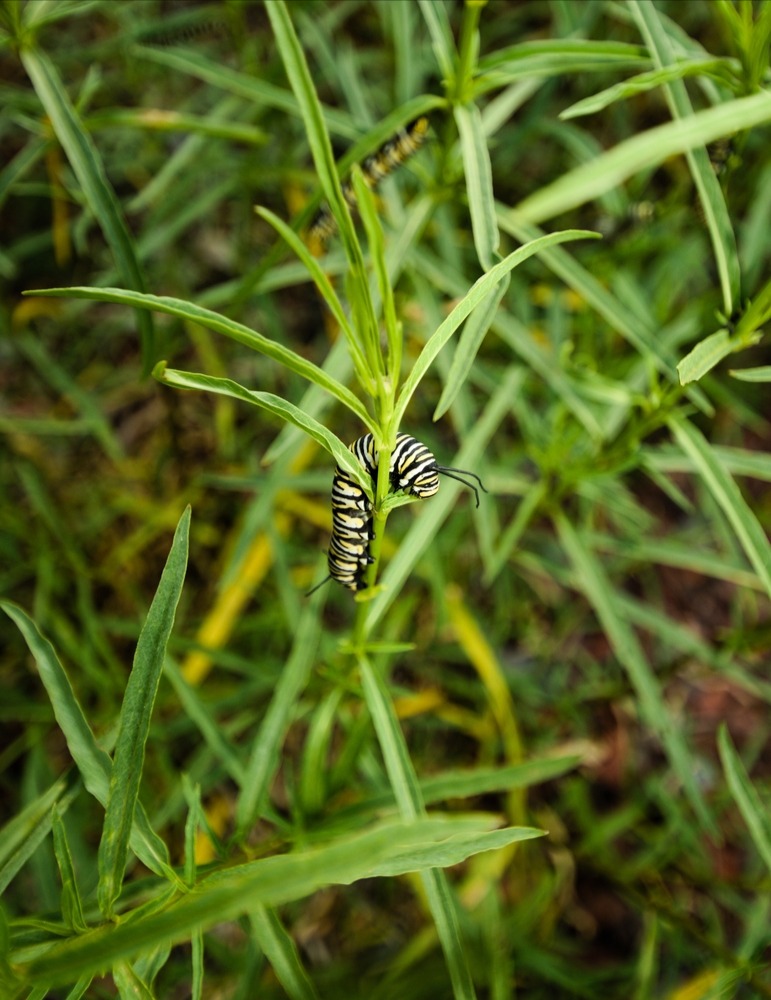
Monarch plant! Flowering perennial with thin, erect stems and distinctive long pointed narrow leaves. Grows fast to 3ft. Blooms in clusters of white to pale pink/lavender flowers.
synonyms
Asclepias macrophylla
height
1–3ft
width
1–3ft
tolerates
Cold, Drought, Heat, Neglect
water needs
Low – Moderate
water info
Deep and infrequent for the first season, then minimal watering once established.
hardy to
0F
exposure
Part Shade – Full Sun
indoor outdoor
Outdoor
drainage
In Ground: Cactus Mix, In Pots: Cactus Mix, Tolerates Sandy Soil
fertilizing
Low Needs
origin
Western US
california native
Yes
sunset zones
3–11, 14–H1
Sunset Zones Map
Outdoor Exposure Guide
Growing Notes
Thrives in full sun, tolerates most soils (including saline), and is best in well-drained settings. Fertilizing can produce overly-weak growth.
Special Interest
Narrowleaf milkweed is a perennial California native plant that is considered the single most important host plant for the monarch butterflies it will attract into your garden.
More Info
To support monarch butterflies their annual cycle of migration and reproduction, avoid planting milkweed within a mile of monarch overwintering areas in Southern California, and within five miles of them in coastal Central and Northern California. Overwintering areas are confined to coastal, bayside, and some coastal valley locations in California.Asclepias fascicularis occurs in Northern California away from the immediate coast; in Central and Southern California it occurs on the coast, coastal valley, mountains, and Channel Islands but not in the low desert or most of the Mojave Desert. Its ranges from the inland Pacific Northwest to the Great Basin and northern Baja California, as well.