BP1B: name_key = brahea-armata upc = name_key = brahea-armata QUERY = SELECT * FROM upc_36 WHERE name_key = :name_key LIMIT 1 Record found = TRUE
Brahea armata
Mexican blue palm
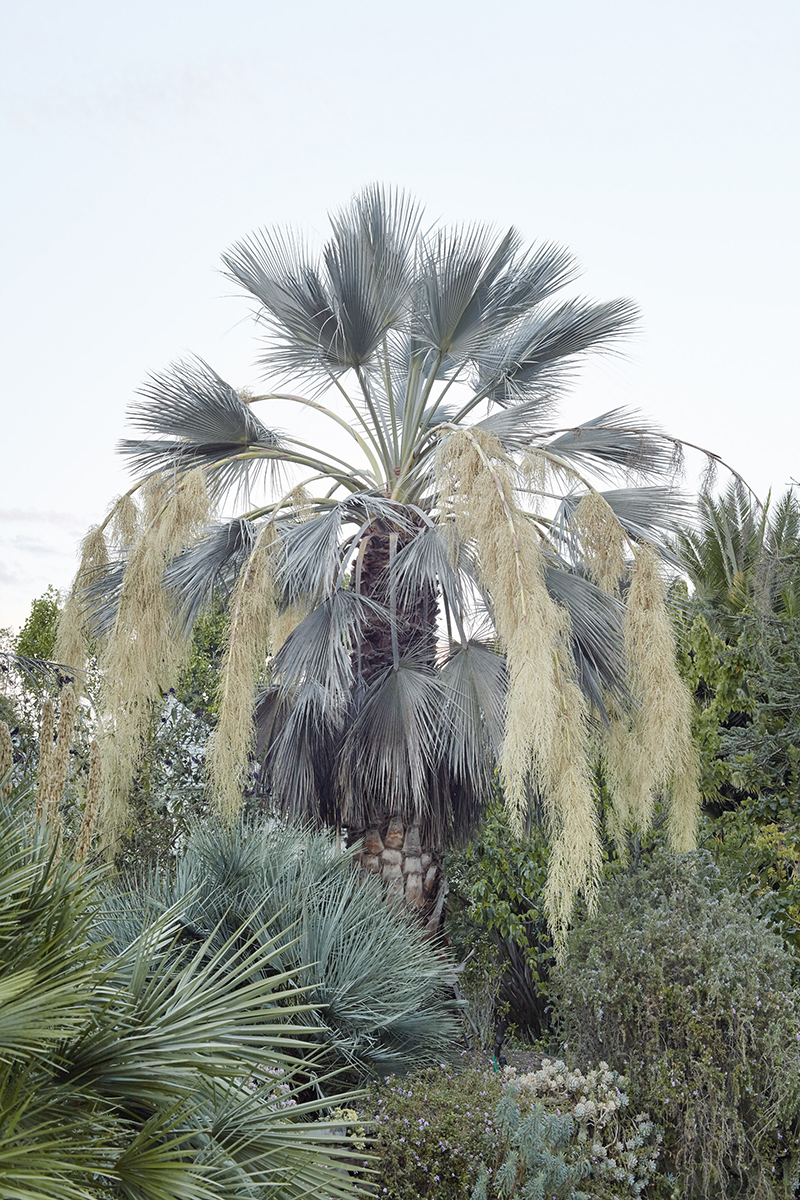
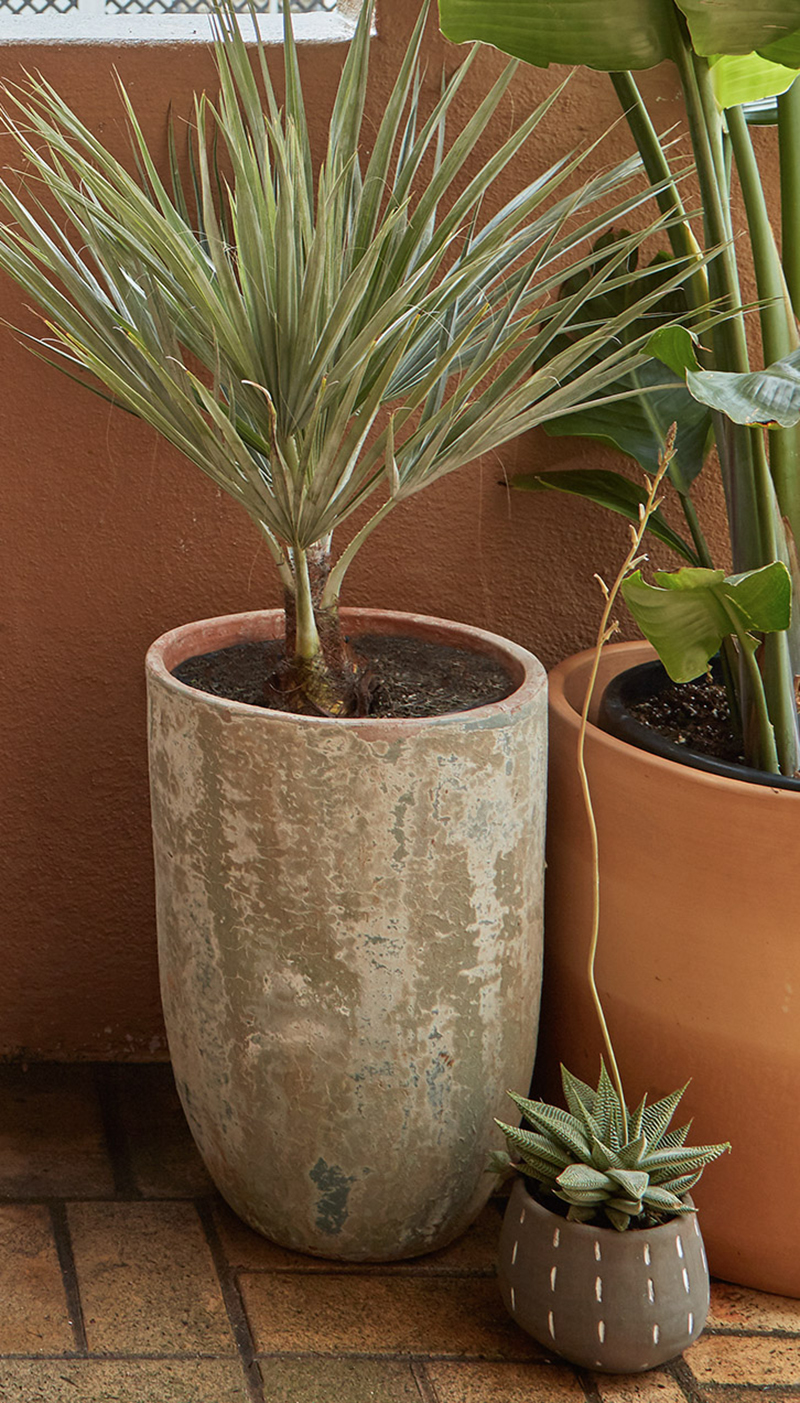
Slow-growing, super silvery-blue palm produces spectacular flowerstalks. Plant in well-drained soil or containers.
height
20–30ft
width
6–10ft
tolerates
Cold, Drought, Heat, Pots, Neglect, Salt, Wind
water needs
Low
water info
Not all palms love water! This one is actually drought-tolerant and can live quite happily on little or no water once it’s established, though it’ll grow more slowly and may not look as lush. To keep your palm looking its best, be sure to water it consistently and deeply while it’s getting established, then after a few years give it a good deep soaking every couple of weeks. It will also tolerate more water, provided the soil drainage is good.
hardy to
15F
exposure
Full Sun
indoor outdoor
Outdoor
drainage
In Ground: Cactus Mix, In Pots: Cactus Mix, Tolerates Sandy Soil
fertilizing
Palm Fertilizer
origin
Baja, Mexico
california native
No
sunset zones
8, 9, 11–24
Sunset Zones Map
Outdoor Exposure Guide
Growing Notes
This slow-growing solitary palm will grow only one trunk during its lifetime. It’s an excellent foliage plant; outside hot-summer areas, it takes decades to become a stately tree. If you have a pot with multiple trunks in it, that’s because multiple separate palm trees were germinated in the pot. The good news is that you won’t need to thin out suckers over time to maintain the number of trunks you started out with.This palm holds its leaves for a long time, creating a beard or skirt on the trunk. If you want, you can always prune off the beard for a cleaner look.This palm has low fertilizer needs. If you choose, you can fertilize it three times a year. Fertilizing at spring equinox, summer solstice and fall equinox will allow for a winter rest. Be sure to feed your palm with a fertilizer that contains micronutrients, especially if you see yellowing leaves or yellow spots on the leaves.
Special Interest
An exceptional foliage plant thanks to its slow growth and brilliant silvery-blue color. This palm contributes to the oasis-style garden, especially when it’s mixed with cactus and other drought-tolerant plants like euphorbias. It also makes an unusual and yet compelling addition to the Mediterranean garden when mixed with lavender, rosemary, and olives.
More Info
One of the most drought-tolerant palms for California. More than one friend has successfully grown this species by planting it with an initial soaking and then never watering it again! This approach is not a smart bet in our driest, hottest areas, however.