BP1B: name_key = sansevieria-parva upc = name_key = sansevieria-parva QUERY = SELECT * FROM upc_36 WHERE name_key = :name_key LIMIT 1 Record found = TRUE
Sansevieria parva
Kenya hyacinth
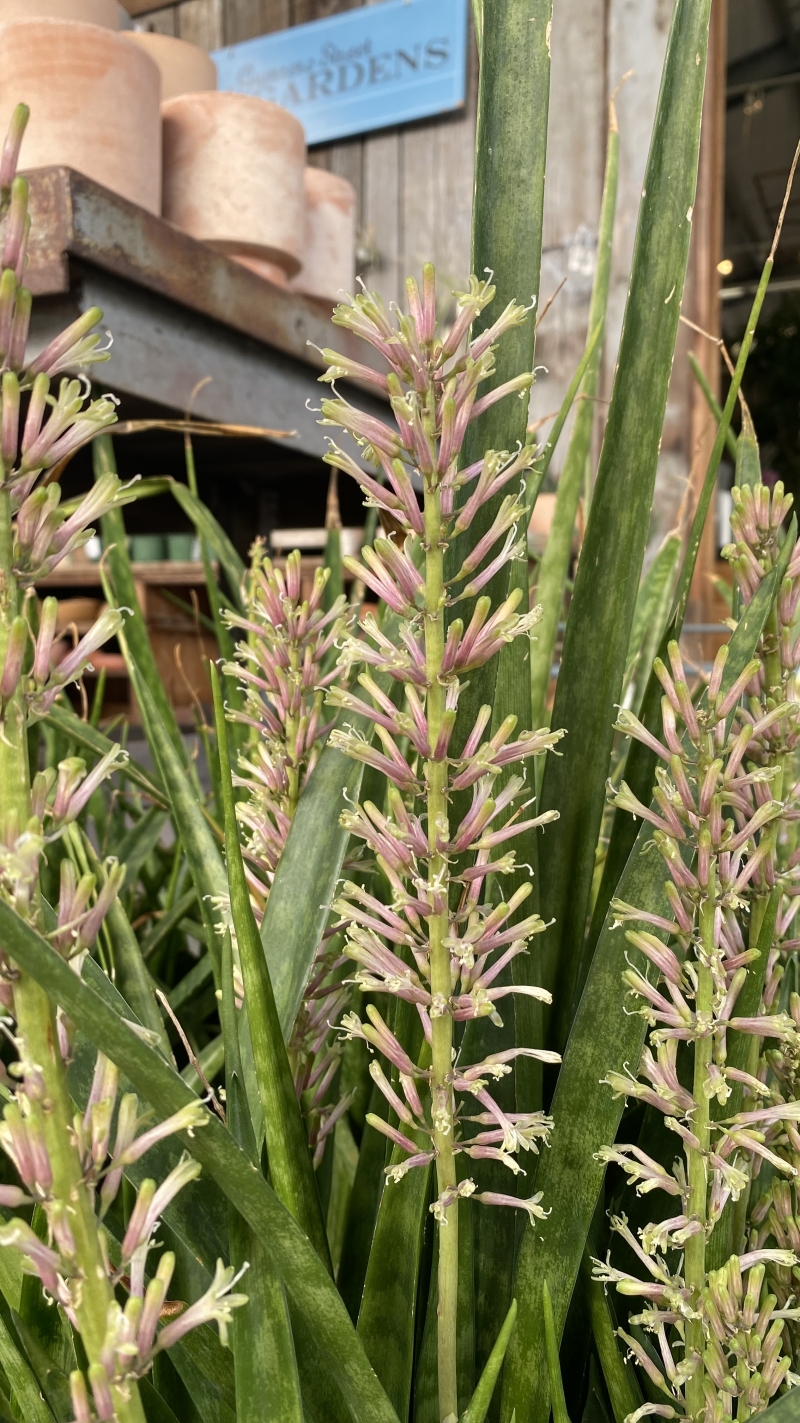
Long, thin, pointed leaves. Succulent spreads into dense colonies in dry shade, cascades from pots with time. Infrequent pale flowers are night fragrant. Hardiest of the sansevieria.
height
12–18in
width
12–18in
tolerates
Cool Summers, Drought, Pots, Neglect
water needs
When soil is completely dry.
water info
Sanevieria are some of the toughest plants out there, as long as you let them go dry between waterings. Generally indoors this will mean watering every three to five weeks. We know a grower who swears by watering their Sansevieria “whenever the rent is due.“
hardy to
35F
exposure
Bright Indirect
indoor outdoor
Indoor
drainage
In Ground: Cactus Mix, In Pots: Cactus Mix
fertilizing
All Purpose
origin
East Africa
california native
No
sunset zones
17, 21–H2
Sunset Zones Map
Indoor Exposure Guide
Growing Notes
Good drainage is critical to Sansevieria care.The leaves of this plant last years, even decades. They will over time get dull looking and show physical damage; when they do you can thin them out at or just below the soil surface.Most sansevieria are rhizomatous, meaning that they spread by thick underground (or sometimes above ground) shoots called rhizomes. It’s very easy to propagate your sansevieria by finding a growth point and following the fleshy rhizome back to the previous growth point. Cut it there and replant the rhizome, with roots and all. Those with above ground shoots can be removed and planted once you see roots forming along the rhizome.This plant tolerates low light more than almost any other plant, but would prefer to grow in as bright a room as possible as long as sunbeams are not directly hitting the leaves.
Special Interest
Occasionally Sansevieria will bloom with delicate waxy flowers that have a strong pleasing scent, the source of the common name, Kenya hyacinth.
More Info
This plant has been raised to live indoors; however, it can also grow outdoors in mild areas of California. Keep in mind that the plant will go through a stressful transition, especially if moved outside in particularly hot, cold, or wet weather. Even if this plant will eventually thrive in direct sunlight, it has not been grown in this level of light, so if you plant it in direct sun, just expect that the leaves may burn at first, then happily regrow as they acclimate to the new levels of light. Planting in the spring or fall will help with this transition.